Bag and Shoes Illustration Line: A Strategic Asset for Visual Storytelling
In the competitive landscape of digital design and brand communication, the choice of visual assets is rarely just about aesthetics; it is a strategic decision that influences perception, engagement, and conversion. The Bag and Shoes Illustration Line collection represents more than a simple set of drawings. It is a curated resource designed to bridge the gap between functional product representation and evocative lifestyle storytelling. For entrepreneurs, marketers, and educators, understanding how to leverage these vintage-style sketches can transform a standard presentation into a compelling narrative about movement, adventure, and preparation.
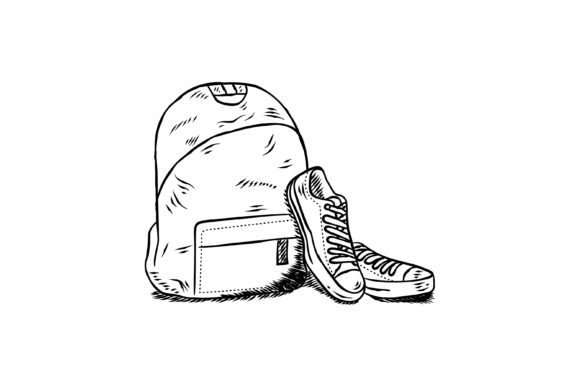
This specific collection focuses on backpacks, sneakers, boots, and travel clothing, rendered in a clean black-and-white line style against an isolated background. While the subject matter appears straightforward, the utility of these graphics lies in their versatility and the psychological cues they trigger. When used intentionally, these illustrations support goals related to branding consistency, educational clarity, and marketing positioning. They allow creators to communicate complex themes—such as the excitement of a journey or the discipline of school life—without the visual noise often associated with photography.
The Strategic Value of Vintage Line Art in Modern Branding
Modern design trends frequently oscillate between hyper-realism and minimal abstraction. The Bag and Shoes Illustration Line occupies a unique middle ground, offering the detail necessary for recognition while maintaining the stylistic simplicity required for modern layouts. The vintage concept inherent in these sketches taps into a sense of nostalgia and authenticity that resonates deeply with audiences aged 20 to 50. This demographic often values craftsmanship and timelessness over fleeting trends.
For small business owners and freelancers, incorporating these vector graphics can significantly enhance brand identity. Unlike stock photography, which can feel generic or overly polished, hand-drawn line art suggests a human touch. It implies that the brand cares about the details of the experience, not just the product itself. When you feature a sketch of a hiking boot or a student's backpack, you are inviting the viewer into a story. This approach is particularly effective for tourism agencies, outdoor gear retailers, and educational institutions looking to project an image of exploration and active learning.
The technical specifications of this collection further amplify its strategic value. Being 100% vector-based means the graphics are resolution-independent. Whether displayed on a mobile screen or printed on a large-format poster, the lines remain crisp at 300dpi. This scalability ensures that your visual assets maintain professional quality across all touchpoints, from social media thumbnails to high-end brochures. In a world where multi-channel consistency is paramount, having a single source file that adapts perfectly to every medium reduces operational friction and protects brand integrity.
Optimizing Communication Through Isolated Elements
One of the most powerful features of the Bag and Shoes Illustration Line is the isolated background. In graphic design, negative space is a tool for focus. By removing environmental distractions, these illustrations force the viewer to concentrate on the object and its implied function. This is critical when the goal is to educate or inform.
Consider an educator creating materials for a travel unit or a safety workshop. Using a realistic photo might introduce irrelevant details—a specific brand logo, a distracting crowd, or poor lighting—that dilute the lesson. A clean, black-and-white outline of a shoe or bag allows the instructor to annotate, label, and explain without competition for attention. Similarly, for marketers designing infographics about packing essentials or footwear care, these elements integrate seamlessly into charts and diagrams, ensuring the data remains the hero while the visuals provide context.
The "doodle" aesthetic also lowers the barrier to entry for the audience. Complex topics can feel intimidating, but a friendly sketch makes information approachable. This is why the collection includes terms like "school," "student," and "education." These graphics are not just decorative; they are cognitive aids. They help structure information visually, making it easier for the brain to process concepts related to activity, journey, and lifestyle. When planning a campaign, asking whether your visuals clarify or complicate your message is essential. These illustrations are engineered to clarify.
Practical Applications Across Industries
The versatility of the Bag and Shoes Illustration Line extends across various sectors, provided the user has a clear objective. Here is how different professionals can apply these assets strategically:
- Tourism and Travel Agencies: Use the hiking boots and backpack sketches to create itinerary posters, blog headers, and social media content that evoke the spirit of adventure. The vintage style suggests a classic road trip or a timeless expedition, appealing to travelers seeking authentic experiences rather than tourist traps.
- Educational Publishers: Integrate these graphics into textbooks, worksheets, and e-learning modules. The clean lines work well for coloring activities, labeling exercises, and visual summaries of units focused on geography, physical education, or cultural studies.
- Retail and E-commerce: Create lifestyle mockups for clothing brands. Instead of expensive photoshoots, use the editable shapes and colors to place your products within the context of the illustration. This allows for rapid prototyping of marketing materials and seasonal campaigns.
- Event Planning and Merchandising: Design t-shirts, tote bags, and stickers for conferences, summer camps, or sports teams. The vector format ensures that the print quality remains sharp regardless of the fabric or material, making it a cost-effective solution for merchandise production.
Technical Flexibility and Workflow Efficiency
Efficiency in creative workflows is often overlooked until a deadline approaches. The Bag and Shoes Illustration Line collection addresses this by providing multiple file formats: AI, EPS, JPG, and SVG. This variety ensures compatibility with almost any software stack, from Adobe Illustrator and InDesign to web development environments.
The inclusion of editable text, shapes, and color layers is a significant advantage for customization. You are not locked into a static image. If your brand guidelines require a specific shade of blue or a custom font for a label on the backpack, you can modify the vector directly. This flexibility empowers designers to maintain strict brand compliance without needing to commission new artwork for every minor adjustment. It turns a static asset into a dynamic template, saving hours of production time.
Furthermore, the organization of the files plays a crucial role in long-term project management. Well-organized layers mean that collaborators can easily understand the structure of the graphic, reducing errors during editing and speeding up the approval process. For teams working remotely or under tight schedules, this structural clarity is invaluable. It minimizes the risk of version control issues and ensures that the final output aligns with the original vision.
Mitigating Risks: Context and Intent
While the Bag and Shoes Illustration Line offers immense potential, it is not a magic bullet. The primary risk lies in using these assets without a clear strategic context. Applying a vintage sketch to a futuristic tech product, for example, could create a dissonance that confuses the audience. The style must match the brand voice and the intended message.
Additionally, relying solely on illustrations can sometimes limit emotional impact if the goal is to showcase the texture or realism of a physical product. A photograph of leather grain or fabric weave conveys tactile qualities that a line drawing cannot. Therefore, the decision to use these graphics should be based on what you want to communicate. If the goal is to sell the "feeling" of a journey, the sketch is superior. If the goal is to sell the "specs" of a shoe, a photograph may be more appropriate.
Another consideration is accessibility. Black-and-white line art can be highly accessible for users with certain visual impairments or color blindness, but contrast ratios must still be checked against the background they are placed on. Ensuring that the white background or the black lines provide sufficient contrast in your final layout is a best practice that should not be overlooked.
Long-Term Value and Decision Making
Investing in high-quality vector resources like the Bag and Shoes Illustration Line is a decision that pays dividends over time. Unlike trend-dependent imagery that may look dated in a year, the vintage line style has a timeless quality. It ages gracefully, allowing your brand materials to remain relevant longer. This longevity reduces the need for frequent redesigns, lowering long-term operational costs.
When evaluating whether to incorporate these graphics into your workflow, ask yourself three questions: Does this align with my brand's narrative? Does it improve the clarity of my message? Does it offer the flexibility I need for future adaptations? If the answer to all three is yes, then this collection is a strategic asset worth integrating.
Ultimately, the power of these illustrations lies in their ability to simplify complexity. They distill the essence of travel, sport, and education into recognizable symbols that speak universally. By leveraging the high-resolution, editable nature of these vectors, creators can produce professional, cohesive, and engaging content that stands out in a crowded marketplace. Whether you are planning a summer vacation campaign, designing a school uniform catalog, or creating a tourism poster, the Bag and Shoes Illustration Line provides the foundational elements needed to execute your vision with precision and style.