Understanding Special Education Teacher School: A Guide to Design Resources and Professional Preparation
The phrase Special Education Teacher School often evokes two distinct but interconnected concepts for educators, parents, and creative professionals. On one hand, it refers to the rigorous academic pathways required to become a certified special education professional. On the other, within the digital design community, it represents a specific category of high-resolution graphic assets used to celebrate this vital profession. For adults navigating career changes, exploring educational resources, or seeking premium materials for custom merchandise, understanding the nuances of both aspects is essential. This article explores the landscape surrounding Special Education Teacher School, comparing preparation methods with the practical application of design tools that honor these educators.
The Dual Nature of Special Education Teacher Resources
When researching Special Education Teacher School, users are frequently looking for one of two things: information on how to enter the field or materials to support those already in it. The distinction is critical because the needs differ significantly between an aspiring student teacher and a business owner creating sublimation products.
For the prospective educator, "school" implies a structured curriculum involving pedagogy, psychology, legal compliance, and classroom management strategies tailored for students with diverse learning needs. These programs are typically offered through universities and accredited colleges, requiring licensure exams and supervised clinical hours. The focus here is on human development and instructional adaptation.
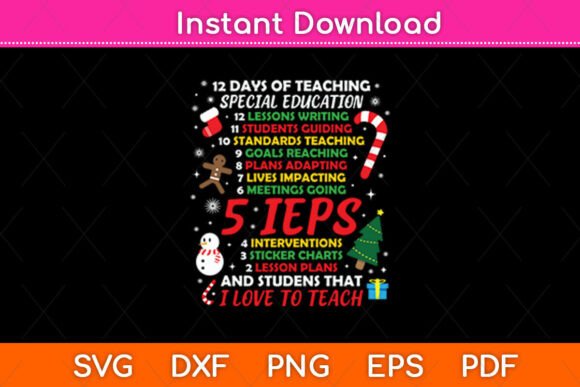
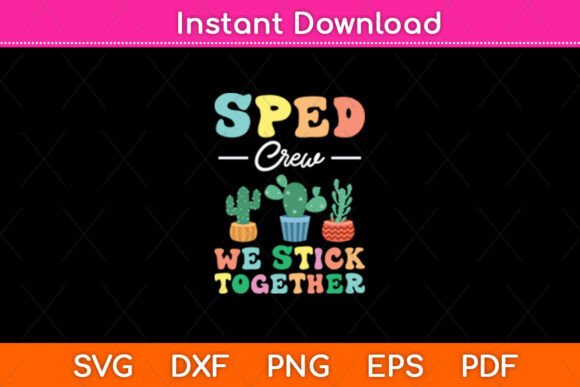
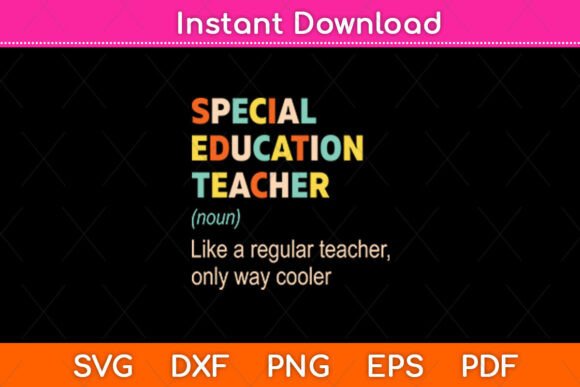
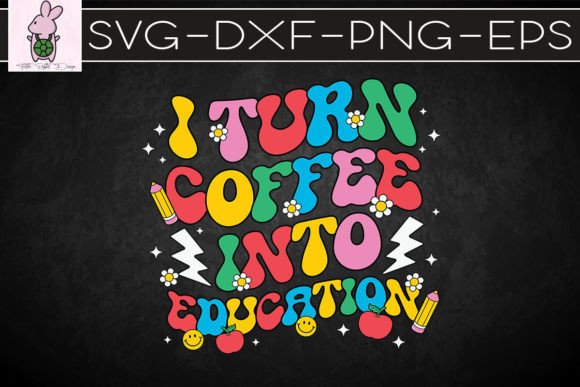
Conversely, for the creative entrepreneur or hobbyist, Special Education Teacher School often refers to specific digital art files, such as the designs available from creators like Lamos. These resources are not educational curricula but rather visual assets designed to be printed on physical goods. They serve as a medium to express appreciation, create awareness, or generate revenue through personalized gifts. Understanding which resource you need prevents confusion and ensures you invest time and money into the correct tool for your goals.
Evaluating Digital Design Assets for Custom Merchandise
If your interest lies in creating physical products—such as mugs, t-shirts, or scrapbooks—the quality of the digital file is paramount. High-quality designs, such as those found in the Lamos collection, are engineered for versatility. When evaluating these assets, several technical specifications determine their suitability for various printing methods.
Technical Specifications and Print Compatibility
A standard digital image may suffice for social media posts, but professional-grade printing requires much higher fidelity. Designs labeled as 300 DPI (dots per inch) at a resolution of 4000×4000 pixels are considered industry standard for large-format printing without pixelation. This resolution ensures that when the image is scaled up for a pillow cover or a tote bag, the lines remain crisp and the colors vibrant.
- Sublimation: Requires high-resolution PNGs with transparent backgrounds to allow the ink to bond seamlessly with polyester fabrics.
- Digital Transfers (DTG): Direct-to-Garment printers rely on clean edges and high contrast, which 4000px files provide effectively.
- Screen Printing: While screen printing often uses vector files, high-res raster images can be converted for detailed halftones and color gradients.
- Ink Jet Transfers: Home-based crafting benefits from the transparency of PNG files, allowing for easy placement on dark or light substrates.
Downloading a ZIP file containing these specifications offers immediate utility. Unlike lower-resolution JPEGs that compress data and lose detail, PNG files preserve the integrity of the design, making them ideal for scrapbooking, card framing, and sticker production. The ability to use a single file across multiple mediums—from a coffee mug to a framed wall art piece—maximizes the value of the purchase.
Comparing Educational Pathways vs. Creative Tools
While the terminology overlaps, the decision-making process for choosing a university program versus purchasing a design asset follows different criteria. It is helpful to compare these options side-by-side to understand their respective roles in the broader ecosystem of special education support.
Academic Programs: Depth and Duration
Choosing a Special Education Teacher School in the academic sense is a long-term commitment. Prospective students must evaluate accreditation, faculty expertise, internship opportunities, and state licensure requirements. The tradeoff here is significant time and financial investment in exchange for a credential that allows one to practice legally. These programs offer deep theoretical knowledge and hands-on experience but do not produce tangible goods for sale.
Design Assets: Immediate Utility and Flexibility
In contrast, acquiring design resources like the Lamos Special Education Teacher School graphics offers immediate gratification and flexibility. There is no waiting period for graduation or certification. Once downloaded, the files can be utilized instantly for personal projects or commercial ventures. The primary limitation is that these are static images; they require additional equipment (printers, heat presses) and skills to transform into finished products.
For someone running a small business targeting teachers, the design assets are a supply chain component. For a parent wanting to gift a teacher, they are a convenient solution. Neither replaces the need for formal education if one wishes to teach, nor does formal education replace the need for high-quality marketing materials if one wishes to sell teacher-themed products.
Decision Factors: Choosing the Right Resource
Before committing to either an educational program or a digital purchase, consider your end goal. Are you seeking a career change, or are you looking to monetize a creative skill? The following factors should guide your evaluation.
Target Audience and Purpose
If your audience consists of students who need individualized education plans (IEPs), then the academic route is the only viable option. However, if your audience includes parents, colleagues, or customers looking for commemorative items, the digital design route is appropriate. For example, a school district might purchase bulk licenses for design files to create welcome kits for new staff, whereas an individual would enroll in a master's program to lead a classroom.
Budget and Time Constraints
Academic programs often span two to four years and involve tuition costs ranging from thousands to tens of thousands of dollars. Design assets are typically a one-time cost, often under $20, providing instant access. If you need results today, digital downloads are the superior choice. If you are planning for a decade-long career trajectory, the academic investment is necessary.
Scalability and Versatility
High-resolution PNG files offer unique scalability. A 4000×4000 pixel image can be printed on a small sticker or blown up to a large banner without losing quality. This versatility makes them a cost-effective alternative to hiring a graphic designer for every new project. In comparison, educational credentials are not scalable in the same way; they are personal qualifications that cannot be transferred or repurposed for product creation.
Best-Fit Situations for Each Approach
There is rarely a "one size fits all" solution when dealing with the term Special Education Teacher School. Identifying the best fit depends on your current position and future aspirations.
Choose Academic Training When:
- You intend to work directly with students with disabilities in a public or private school setting.
- You require state licensure to practice teaching.
- You want to specialize in areas like autism spectrum disorders, emotional behavioral disorders, or learning disabilities.
- You seek mentorship from experienced educators and access to clinical fieldwork.
Choose Digital Design Assets When:
- You own a print-on-demand business or a craft store.
- You are organizing a fundraiser or appreciation event for teachers.
- You want to create personalized gifts like pillows, bags, or mugs without designing from scratch.
- You need high-quality, ready-to-print files for scrapbooking or framing artwork.
Navigating the Market for Quality Content
Whether enrolling in a university or downloading a design file, due diligence is key. In the world of digital assets, not all files are created equal. Reputable sellers, such as those offering the Lamos collection, often provide guarantees regarding resolution and usage rights. Subscribing to trusted sources can also yield additional benefits, such as exclusive discounts or early access to seasonal designs.
Supporting independent creators by subscribing or following their stores fosters a sustainable ecosystem where high-quality content continues to be produced. This reciprocal relationship ensures that educators and businesses alike have access to fresh, relevant, and technically sound resources. Whether you are preparing for a career in special education or celebrating those who do, having the right tools—be they academic degrees or 300 DPI PNG files—is the foundation of success.