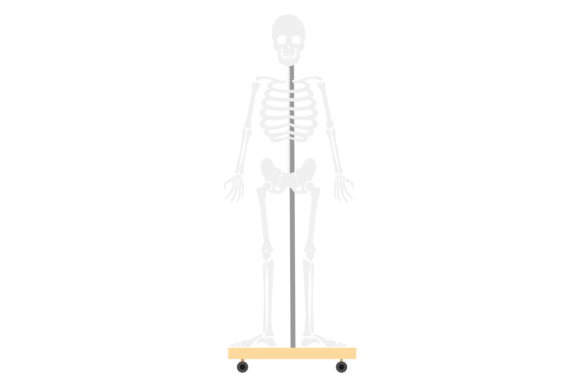
Human Skeleton: Anatomical Study for Schools
The human skeleton is more than a collection of bones; it is the architectural framework that defines our existence. In the realm of education and design, the concept of Human Skeleton. Anatomical Study. School represents a critical intersection where scientific accuracy meets visual communication. Whether you are an educator preparing a lesson plan, a graphic designer creating educational assets, or a content creator building a health blog, understanding how to utilize this imagery effectively is essential. When isolated on a white background in formats like EPS, JPG, SVG, or transparent PNG, these anatomical illustrations become versatile tools capable of conveying complex biological concepts with clarity and precision.
The Power of Visual Clarity in Education
In school biology education, abstract concepts often struggle to take root without concrete visual aids. The skeletal system, with its 206 distinct bones, offers a perfect example of why high-quality imagery matters. A well-executed anatomical study allows students to visualize the relationships between the skull, spine, ribs, and limbs without the distraction of surrounding tissue. This isolation technique is not merely an aesthetic choice; it is a pedagogical necessity. By removing the noise of muscle and skin, learners can focus entirely on structure, articulation, and function.
For adults engaged in creative fields, such as medical illustrators or textbook publishers, the demand for these resources is constant. The ability to source or create a Human Skeleton. Anatomical Study. School image that is scalable and crisp ensures that the material remains effective across different mediums. From a small thumbnail on a digital course page to a large poster in a classroom, the integrity of the image must remain intact. This is where vector formats like SVG and EPS shine, offering infinite scalability without pixelation, while raster formats like JPG and PNG provide realistic textures suitable for print media.
Why Format Matters for Your Projects
Choosing the right file format is a foundational step in any creative project involving anatomical studies. Each format serves a specific purpose and audience need:
- SVG (Scalable Vector Graphics): Ideal for web designers and digital educators who need images that resize perfectly on any screen. SVGs are lightweight and maintain sharp edges, making them perfect for interactive diagrams where users might zoom in to see bone details.
- EPS (Encapsulated PostScript): The standard for professional print production. If you are publishing a physical anatomy textbook or creating large-format educational posters, EPS files ensure the highest quality output when printed by commercial presses.
- JPG (Joint Photographic Experts Group): Best for photographs or highly detailed renders where file size is a concern. While not ideal for line art due to compression artifacts, JPGs work well for realistic 3D renders of skeletons intended for general audiences.
- Transparent PNG: Essential for overlaying anatomical structures onto other backgrounds. Marketers and bloggers often use transparent PNGs to integrate skeleton images into infographics, presentations, or website headers without awkward white boxes.
Creative Applications Beyond the Classroom
While the primary association with Human Skeleton. Anatomical Study. School is academic, the applications extend far beyond the biology lab. Designers and entrepreneurs frequently adapt these visuals for branding, marketing campaigns, and artistic projects. The stark, clean lines of a skeleton isolated on a white background offer a striking contrast that captures attention immediately. For instance, a fitness brand might use skeletal imagery to emphasize core strength and spinal health, while a legal firm specializing in personal injury could use it to illustrate the mechanics of trauma.
Hobbyists and artists also find inspiration in these studies. The human skeleton provides a masterclass in proportion and balance. Artists studying figure drawing often begin with the skeleton to understand the underlying structure before adding flesh and clothing. By analyzing the curvature of the spine or the joint angles of the pelvis, creators can achieve a level of realism in their work that feels grounded and authentic. This approach transforms a simple stock image into a dynamic tool for skill development.
Adapting Imagery for Different Audiences
One of the most challenging aspects of using anatomical imagery is tailoring it to the intended audience. A medical student requires a level of detail that differs vastly from a middle school student or a general consumer. When working with Human Skeleton. Anatomical Study. School assets, consider the following strategies to ensure your content resonates:
- Simplify for Younger Learners: Use bold outlines and minimal labeling. Focus on major groups like the skull, ribcage, and long bones rather than individual vertebrae or sesamoid bones. Bright colors can be used to differentiate sections, but keep the background clean to avoid cognitive overload.
- Detail for Professionals: Medical professionals and advanced students need precise labeling, including Latin terminology and specific landmarks. High-resolution scans or 3D renders that show texture and depth are preferable here. The focus should be on accuracy and clinical relevance.
- Contextualize for Marketing: When using these images for business purposes, integrate them into a narrative. Don't just show a skeleton; show how it relates to a product or service. For example, pair a spine illustration with text about ergonomic office chairs to make the connection immediate and practical.
Ensuring Consistency and Originality
In a world saturated with stock imagery, maintaining originality is crucial for standing out. While Human Skeleton. Anatomical Study. School templates provide a solid starting point, simply copying and pasting generic images can dilute your brand's voice. To keep results clear, effective, and organized, develop a consistent visual style guide. Decide on a color palette, line weight, and labeling font that aligns with your overall project goals. Consistency builds trust and makes your content instantly recognizable.
Furthermore, consider customizing existing assets to better fit your specific needs. Many vector formats allow for easy manipulation of individual elements. You might isolate a specific bone cluster, such as the hand or foot, to create a focused infographic. Or, you could layer multiple views—front, back, and side—to provide a comprehensive 3D understanding within a 2D space. These small adjustments demonstrate effort and care, enhancing the perceived value of your work.
Practical Recommendations for Implementation
To maximize the impact of your anatomical studies, follow these practical recommendations:
- Check Licensing: Always verify the usage rights of any image you download. Ensure you have the appropriate license for commercial use, especially if you are a small business owner or freelancer.
- Optimize for Speed: For web-based content, optimize your image files. Large, uncompressed files can slow down page load times, negatively affecting user experience and SEO rankings. Use tools to compress PNGs and JPGs without sacrificing visible quality.
- Test Accessibility: Ensure that your images are accessible to all users. Include alt text that describes the skeleton and its features for screen readers. High contrast between the skeleton and the background improves readability for those with visual impairments.
- Iterate Based on Feedback: If you are using these images in an educational setting, gather feedback from students or clients. Are they finding the diagrams clear? Do they need more labels? Use this data to refine your future materials.
Bringing Anatomy to Life
The study of the human skeleton is a timeless pursuit that bridges science, art, and design. By leveraging high-quality resources like Human Skeleton. Anatomical Study. School assets, you can create content that is both informative and visually engaging. Whether you are designing a curriculum, launching a health campaign, or exploring your own creative interests, the key lies in thoughtful application. Choose the right format, tailor the complexity to your audience, and maintain a consistent visual identity. With these principles in mind, you can transform static images into dynamic tools that educate, inspire, and inform.